“Anyway I don’t think we can rely on governments, regardless of who is in power, to do the work that only mass movements can do.”
—Angela Davis
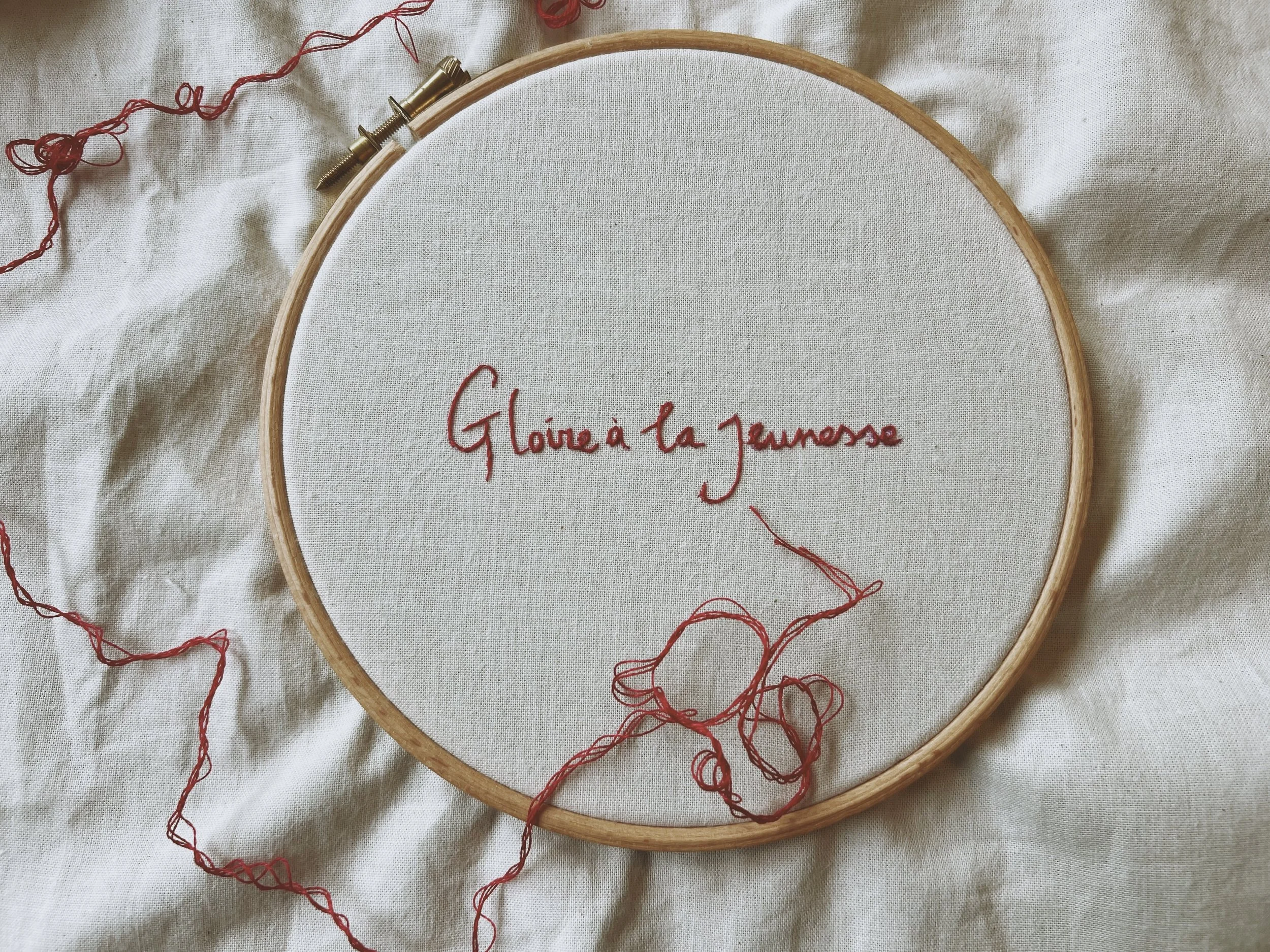
It is only Wednesday and already a surprising number of people have felt compelled to announce their position on VIOLENCE.
“I support the cause, the protest, but I cannot support the violence.”
These words make me collapse inside myself.
Poverty is violence. The slow consistent, political and bureaucratic strangulation of funds to the education systems and health systems are a form or violence.
It’s wild to me that people I know will point at a protest and express more disdain for a looted LV store or a burning car and will do 2 annoying things. First they will assume that the protestors are responsible. Second they will express more disdain at the damage of property than the violence that pushed people into the streets in protest.
Where is the outrage for the type of violence that signs a document, cuts a budget, closes a service while looking straight into the eyes of a person suffering and calls it an unfortunate necessity. Where is the disgust at the damage done, day after day, to bodies and minds and futures? THIS IS VIOLENCE!
But some will watch the major news channels unquestioningly and go ahead and draw their little lines in the sand. Neat little boundaries marking where they can no longer stand in support. These lines usually appear where desperation has become too loud, too frightening, too difficult to look at without feeling something uncomfortable or confronting.
“I cannot support the violence.”
I am NOT condoning the acts of destruction we have seen on the news during protests across Europe and South America. We have all been fed the same images, over and over. What I am trying to say through my clenched teeth is that there is more to these stories. There is a purpose, a context, a history, and a whole lot of anguish that leads up to a protest and it is so important that we do not ever let the chaos, or the opportunistic looters, or the convenient framing of it distract us from it. The pain that rarely gets the same attention as the moment it spills into the street.
And sometimes, the first act of violence comes from the very people who are supposed to protect us. You know how it plays out. It comes at us through decisions and failures that deny people the means to live, through institutions that abandon them, through the slow destruction of systems we rely on and need to thrive. This violence can be harder to see, harder to photograph, easier to accept. Let’s be honest, we’ve been taught, very carefully, over time to call it something else.
“Poverty is the worst form of violence.”
— Mahatma Gandhi